Project description: Testing solar power stations in retail stores
The project involves testing and auditing a solar power plant (SES) installed in a retail store to ensure the system's safety, efficiency, and compliance with standards. The aim is to perform an independent technical inspection, identify potential defects, optimize performance, and eliminate risks such as fire hazards or reduced productivity. The service is based on a general SES testing methodology that includes measurements, thermography, tests, and configuration checks for both inverters and solar panel connections. The project covers both new and existing systems, including pre-purchase audits of properties with installed panels.
Work performed:
-
-
Project description: Testing solar power stations in retail stores
The project involves testing and auditing a solar power plant (SES) installed in a retail store to ensure the system's safety, efficiency, and compliance with standards. The aim is to perform an independent technical inspection, identify potential defects, optimize performance, and eliminate risks such as fire hazards or reduced productivity. The service is based on a general SES testing methodology that includes measurements, thermography, tests, and configuration checks for both inverters and solar panel connections. The project covers both new and existing systems, including pre-purchase audits of properties with installed panels.
Work performed:
- Measurements and tests:
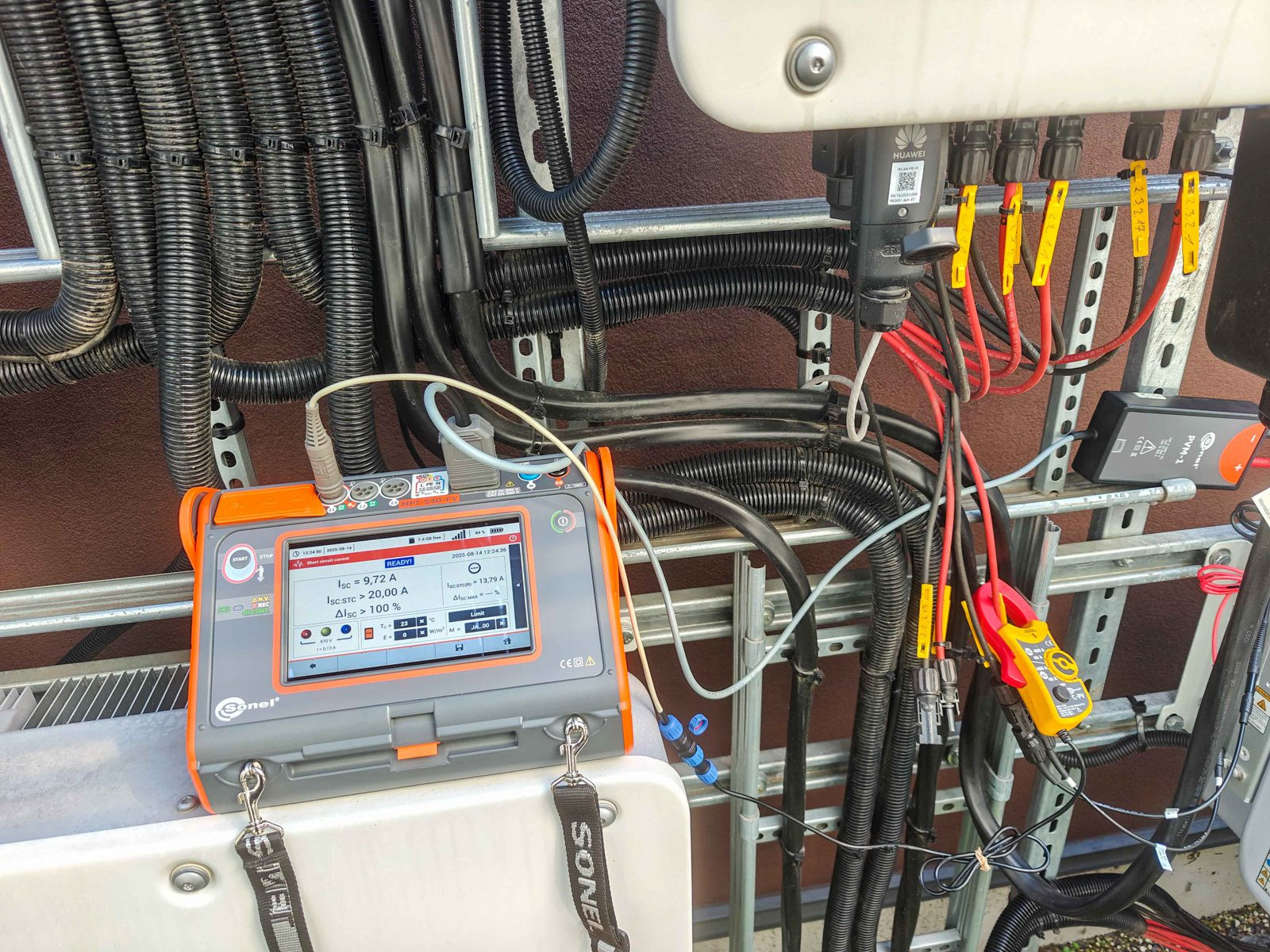
- I-V curve measurements were performed on solar panels to verify their performance against manufacturer specifications.
- Insulation, grounding, and overall productivity tested.
- Measurements were taken at solar panel connections (joints) and inverters to identify possible weaknesses.
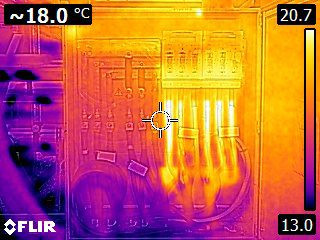
- Thermography:
- High-resolution thermal cameras were used to inspect connections in distribution cabinets, panels, and inverters.
- Search for hot spots that may indicate potential fire hazards or defects.
- Thermography was performed on both solar panel connections and inverter components to identify areas of overheating.
- Tests:
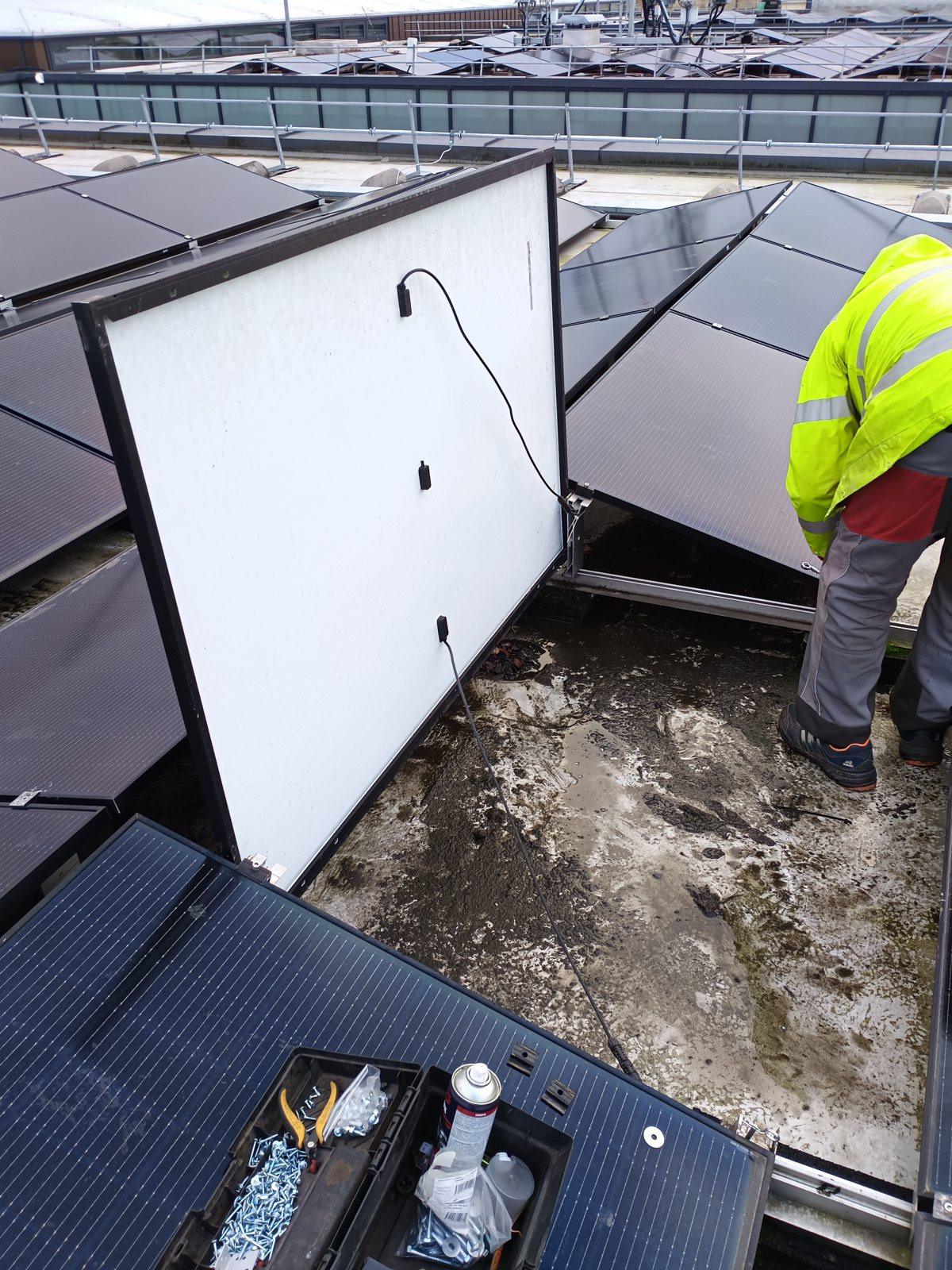
- Solar panel performance tests, checking hot spots and microcracks.
- Tests of inverters and control systems in various modes, including wake-up function, cooling system operation, and anti-islanding protection.
- Load tests for electrical networks, simulating maximum load to check automation and wire overheating – especially important before connecting high-power equipment (such as heat pumps or EV charging stations).
- Configuration checks:
- Inverter operation and control system configuration checked to ensure correct functionality.
- Inspect solar panel connections and joints, looking for configuration errors or signs of incorrect installation.
- Survey reports and documentation:
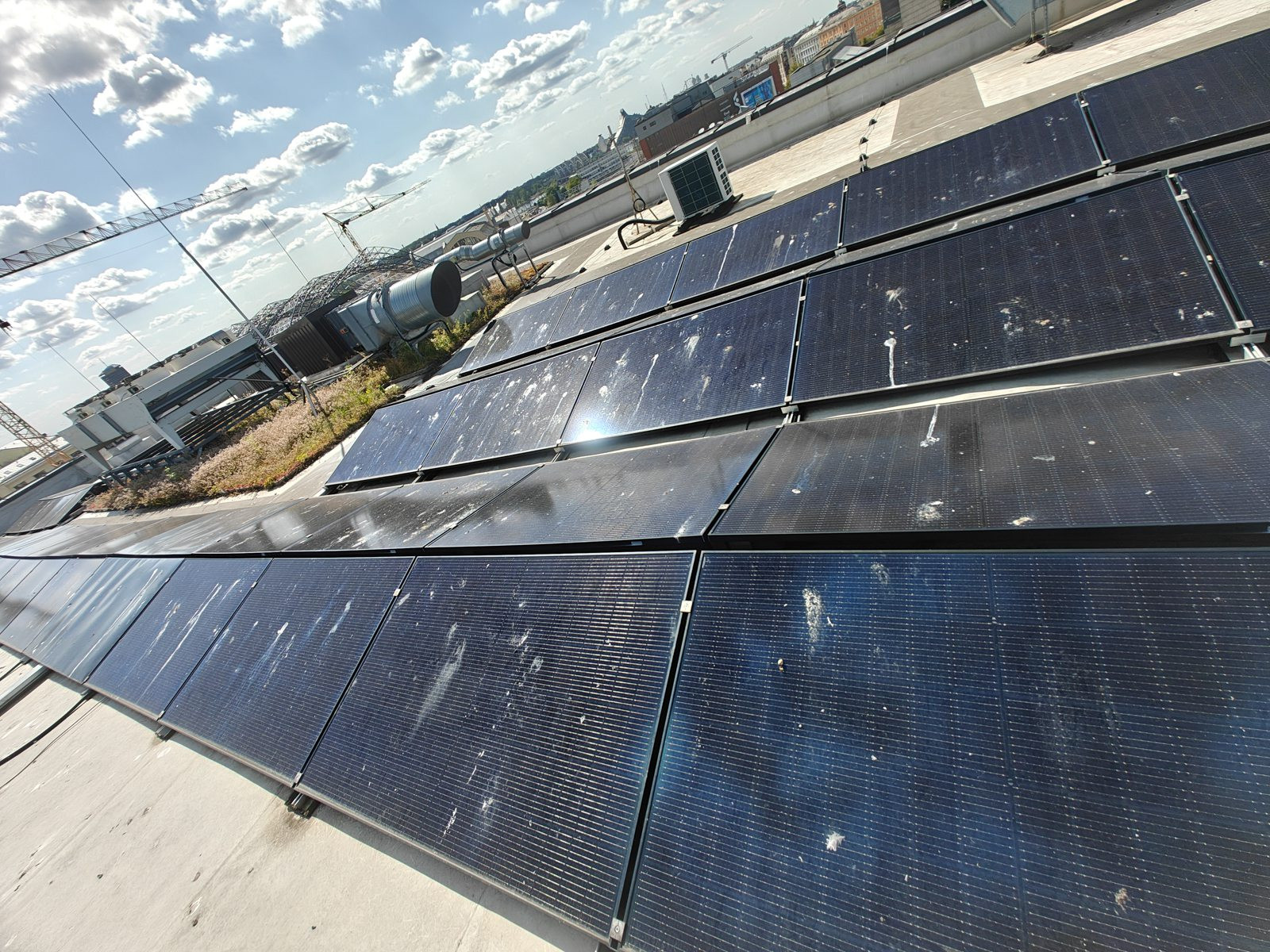
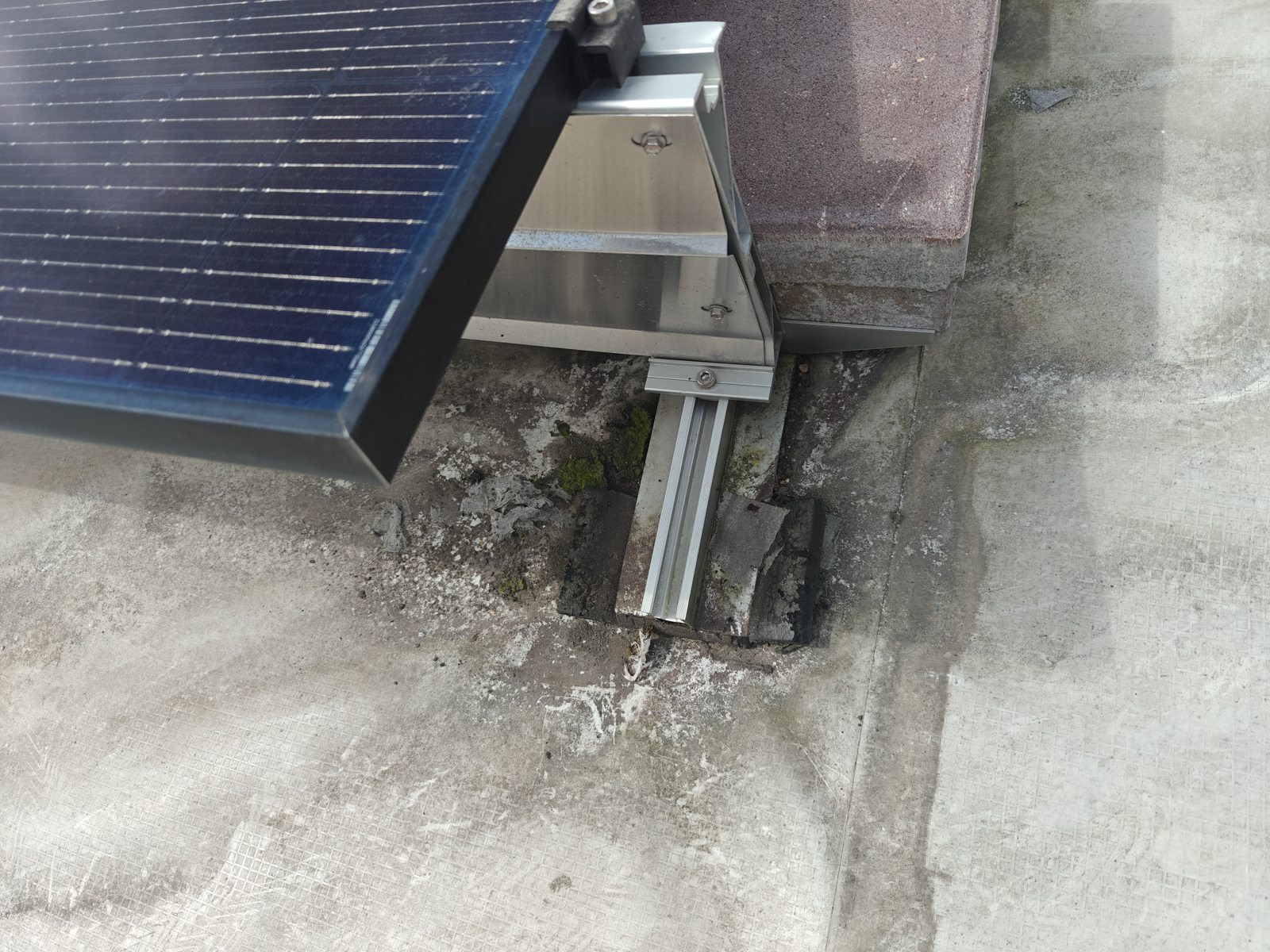
- A visual inspection by engineers was carried out to identify mechanical damage, loose fastenings, or corrosion.
- Survey reports with data analysis were prepared, comparing the results with the manufacturer's standards and simulation data.
- Detailed reports with photographs, lists of problems, and recommendations for corrections have been prepared.
Places where activities were carried out:
- Measurements, thermography, tests, and configuration checks: Mainly at solar panel connections (connections on the roof or in mounting structures), inverters (usually indoors or in special cabinets), distribution cabinets, and electrical network components in the store area. The inspections cover the entire system from panels to inverters and grid connections.
Planned further actions for optimal station operation:
- Immediate repair of minor defects, such as tightening loose contacts or making configuration adjustments.
- Calculations prepared for equipment replacement if serious damage is found.
- Recommendations for eliminating weak points in order to increase productivity, extend equipment life, and reduce fire hazards.
- Regular monitoring plan, including periodic audits, to ensure long-term optimal performance.
Places where activities were carried out:
-
-
- Measurements, thermography, tests, and configuration checks: Mainly at solar panel connections (connections on the roof or in mounting structures), inverters (usually indoors or in special cabinets), distribution cabinets, and electrical network components in the store area. The inspections cover the entire system from panels to inverters and grid connections.
Planned further actions for optimal station operation:
-
- Immediate repair of minor defects, such as tightening loose contacts or making configuration adjustments.
- Calculations prepared for equipment replacement if serious damage is found.
- Recommendations for eliminating weak points in order to increase productivity, extend equipment life, and reduce fire hazards.
- Regular monitoring plan, including periodic audits, to ensure long-term optimal performance.